
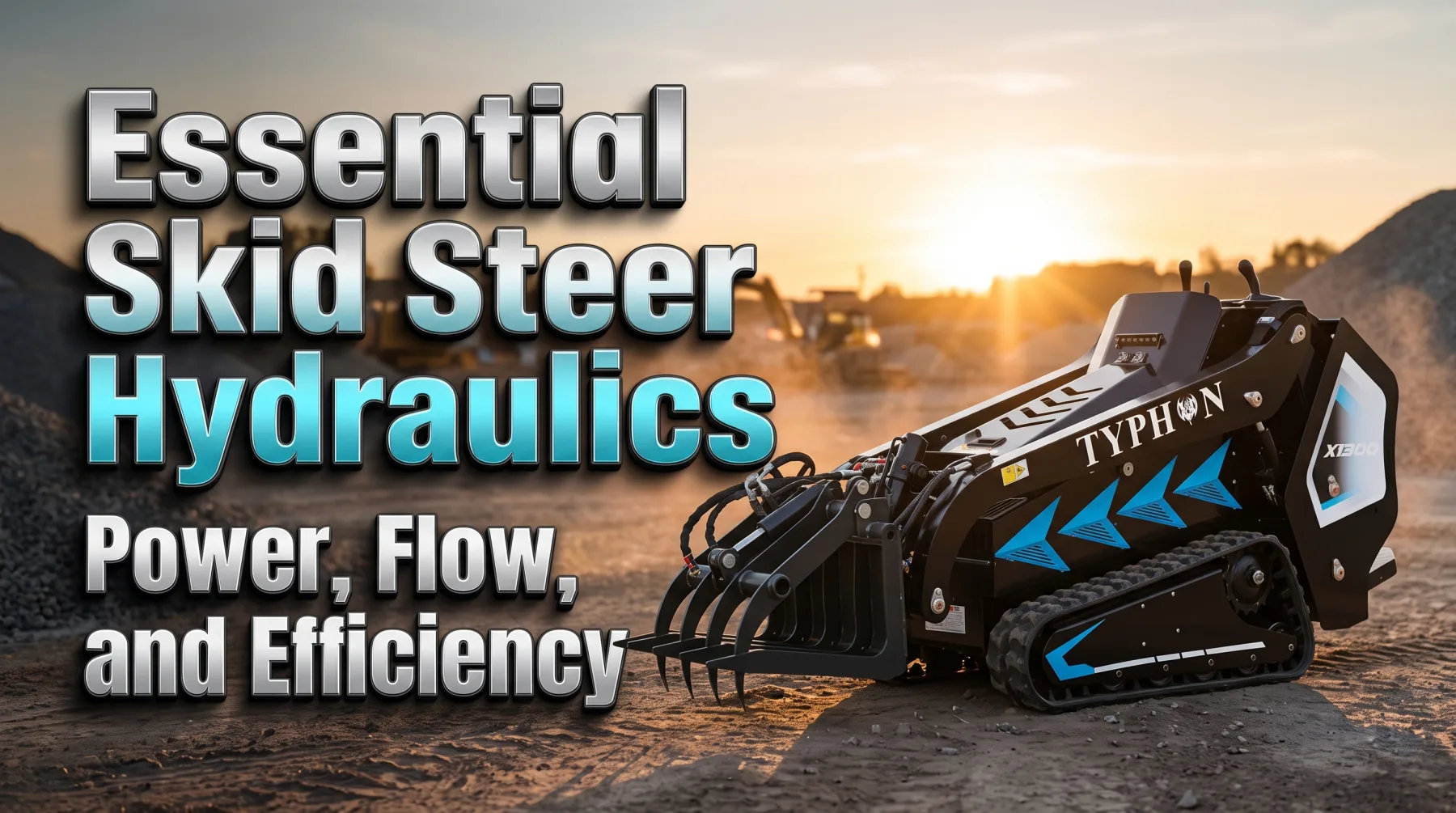
Essential Skid Steer Hydraulics: Power, Flow, and Efficiency
Your skid steer is only as capable as the hydraulic system driving it. Every time you lift a heavy bucket, run an auger, or grind through tough ground with a cold planer, you are calling on hydraulic power, flow, and efficiency working together behind the scenes. When one of those three falls short, you feel it immediately in slow cycles, weak lifting, or a machine that overheats before lunch. Understanding how these systems function gives you a real advantage, whether you are buying your next machine, choosing attachments, or troubleshooting a drop in performance. In this guide, you will learn how hydraulic power generates force, how flow controls speed, and how efficiency protects both your components and your fuel budget. We will break down pumps, pressure, cylinders, flow ratings, and the maintenance habits that keep everything running clean. By the end, you will know how to match your machine to the work in front of it and keep that system delivering reliable results for years.
Hydraulic Power: The Force Behind Every Attachment
Hydraulic power determines how much force your skid steer can deliver when it lifts, digs, pushes, and runs demanding attachments. It is the muscle behind every productive motion, and it sets the ceiling on what your machine can realistically accomplish on a job site. A well-matched hydraulic system delivers consistent performance without straining the engine or overloading the pump, while an undersized one leaves you fighting weak lifts and stalled tools. Power in a skid steer comes from converting engine energy into pressurized fluid that then does mechanical work through cylinders and motors. The better you understand this chain of conversion, the smarter your decisions become about machines, attachments, and daily operation. Force is not just about raw strength either; it is about delivering the right amount of pressure at the right moment so the machine responds predictably under load. When power, weight, and attachment demands align, you get a machine that works hard, stays stable, and finishes tasks faster.
Hydraulic Pump Fundamentals
The hydraulic pump sits at the heart of the entire system, and everything else depends on how well it does its job. Driven by the engine, the pump draws fluid from the reservoir and forces it into the system, creating the pressurized flow that powers your cylinders and motors. It is important to understand that the pump does not create pressure on its own; it creates flow, and pressure builds when that flow meets resistance, such as a loaded bucket or a tool digging into hard soil. Most skid steers use gear pumps for their durability and simplicity, though larger or high-flow machines often rely on piston pumps for greater capability. A healthy pump delivers steady, predictable output, while a worn pump produces weak, inconsistent performance that mimics other faults. Keeping the pump fed with clean, adequate fluid protects it from the contamination and cavitation that destroy these components and lead to expensive, productivity-killing repairs.
Pressure vs. Power
People often use pressure and power interchangeably, but understanding the difference helps you read your machine correctly. Pressure, measured in pounds per square inch, represents the force pushing against resistance, and it is what allows your skid steer to break out a heavy load or curl a full bucket. Power, however, is the combination of that pressure with flow, because force alone accomplishes little if the fluid cannot move fast enough to keep the work going. Think of pressure as the strength of a push and flow as how quickly that push happens; true working power needs both. When you increase pressure, you increase lifting and digging force, but you also place greater demand on hoses, seals, and the pump itself. This is why manufacturers set system pressure limits, and why exceeding them risks blown lines and ruptured seals. Matching pressure to the task keeps your machine strong, safe, and reliable through long working days.
Cylinder and Motor Performance
Cylinders and motors are where hydraulic power finally becomes movement you can see and feel. Cylinders handle linear motion, extending and retracting to raise the lift arms, tilt the bucket, and operate attachments that push or curl. Hydraulic motors, by contrast, produce rotary motion, spinning augers, sweepers, trenchers, and any tool that needs continuous turning force. The performance of these components depends directly on the pressure and flow reaching them, so a strong pump means little if worn cylinder seals let fluid bypass the piston. When seals fail, you notice drift, weak holding force, and sluggish response that no amount of throttle fixes. Motors suffer similar losses when internal wear lets pressure escape instead of converting to torque. Keeping these components healthy means watching for leaks, listening for unusual sounds, and addressing slow performance early. Well-maintained cylinders and motors translate every bit of available power into precise, dependable mechanical work on the job.
Matching Power to Attachments
Not every attachment demands the same hydraulic power, and matching your machine to the tool prevents both poor performance and premature wear. A standard bucket asks relatively little of the system, while a hydraulic breaker, cold planer, or stump grinder places heavy, sustained demand on pressure and flow. Running a power-hungry attachment on an undersized machine leads to sluggish operation, overheating, and frustration, while an overpowered setup can damage tools not built to handle that much force.
When selecting attachments, check these key specifications before you commit:
Required operating pressure, confirming your machine meets or exceeds the tool’s rating
Flow demand, since high-flow tools need a high-flow machine to perform correctly
Machine weight and stability, because heavy attachments shift the balance during lifts
Hydraulic coupler compatibility, ensuring clean, leak-free connections every time
Taking a few minutes to compare these numbers saves you from buying a tool your machine cannot run, and it protects your investment in both the attachment and the skid steer.
Hydraulic Flow: Controlling Speed and Performance
Hydraulic flow determines how quickly oil moves through the system, and it directly controls the operating speed of your cylinders and motors. While pressure sets how much force the machine can apply, flow sets how fast that work gets done, making it just as critical to overall productivity. Higher flow lets compatible attachments cycle faster, spin quicker, and process more material in less time, which translates into real gains across a workday. Flow becomes especially important with motor-driven tools like trenchers, mulchers, and sweepers, where continuous speed defines output. Too little flow leaves these tools crawling, while the right flow keeps them performing at their designed pace. Understanding flow helps you choose the correct machine for your tools and explains why two skid steers with similar pressure ratings can perform so differently. The sections below break down standard versus high flow, the meaning of GPM, attachment requirements, and how flow and pressure must work together.
Standard Flow vs. High Flow Systems
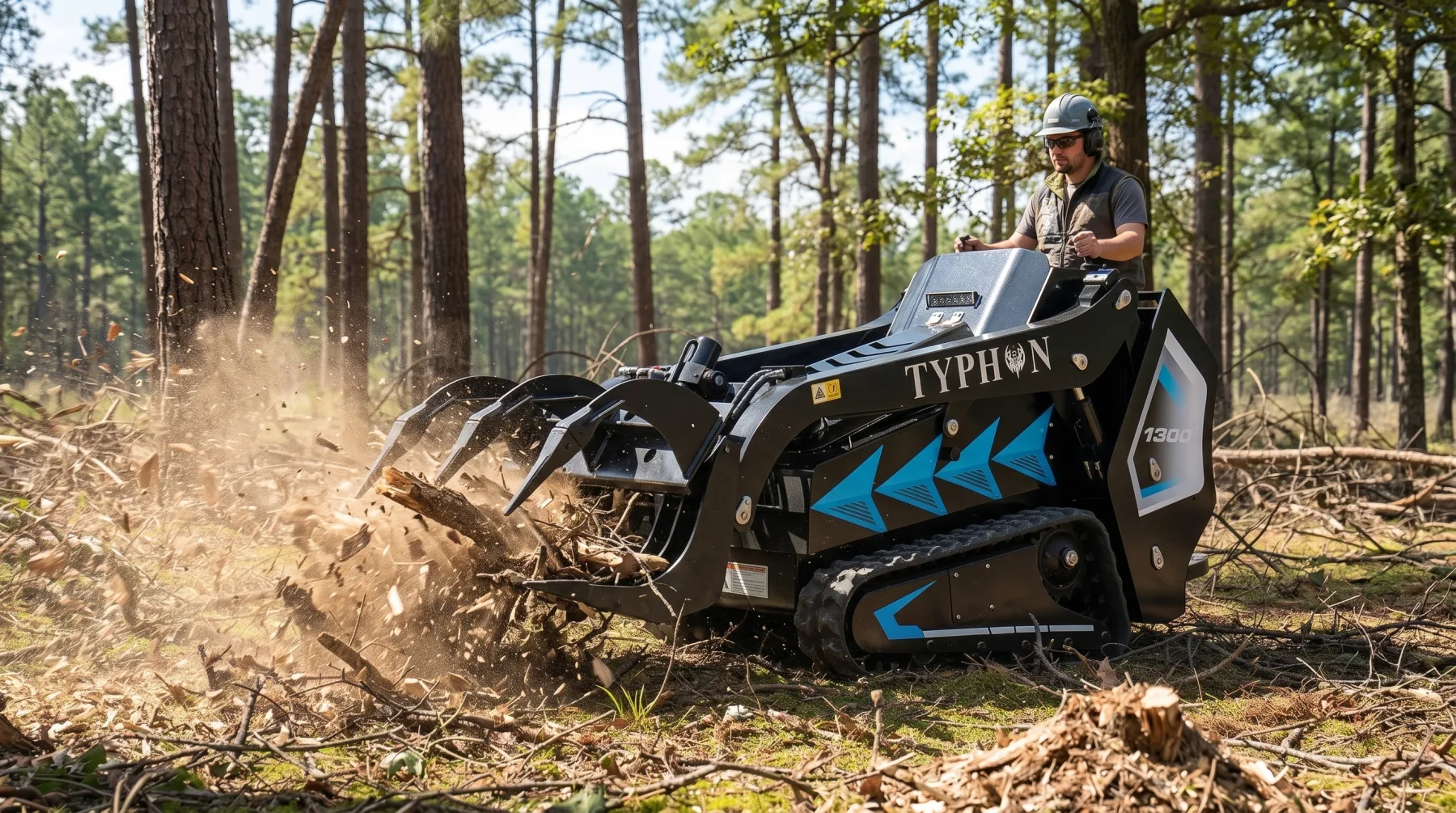
Skid steers generally come in two flow configurations, and knowing the difference shapes which attachments you can run effectively. Standard-flow machines handle the majority of everyday tasks, including buckets, pallet forks, augers, and lighter hydraulic tools, making them a versatile choice for general work. High-flow systems deliver significantly more oil volume, unlocking demanding attachments such as cold planers, large mulchers, snow blowers, and high-output trenchers that standard machines simply cannot drive properly. Choosing high flow when your work calls for it prevents the frustration of underpowered tools and the overheating that follows when a machine struggles beyond its capacity. That said, paying for high flow you never use adds cost without benefit, so honest assessment of your attachment plans matters. Many contractors find that matching the system to their three or four most-used tools delivers the best value. The right flow configuration keeps your attachments running at full, productive speed without straining the machine.
Gallons Per Minute (GPM) Explained
Flow rate is measured in gallons per minute, or GPM, and this single number tells you a great deal about your machine’s capability. GPM represents the volume of hydraulic oil the pump delivers in one minute, and the higher that figure, the faster compatible attachments can operate. Standard-flow skid steers typically deliver somewhere in the range of 17 to 24 GPM, while high-flow machines push well beyond that, often reaching 30 to 40 GPM or more. When you compare an attachment’s required GPM against your machine’s output, you get a clear answer about compatibility before you ever connect a hose. Running a tool that needs more GPM than your machine provides results in weak, slow performance, while supplying close to the rated flow keeps the attachment working as designed. GPM is the language attachment manufacturers speak, so learning to read it helps you make confident, accurate decisions about which tools your machine can truly handle.
Flow Requirements for Common Attachments
Different attachments carry very different flow demands, and knowing where your favorite tools fall helps you plan equipment purchases wisely. Light-duty tools generally run comfortably on standard flow, while heavy material-processing tools nearly always require high flow to reach their rated output.
Here is a general guide to flow needs across common attachments:
Low flow needs: standard buckets, pallet forks, and basic augers run well on standard-flow machines
Moderate flow needs: tree spades, angle brooms, and tillers benefit from the upper end of standard flow
High flow needs: cold planers, forestry mulchers, stump grinders, and snow blowers demand high-flow systems
Before buying any attachment, always check the manufacturer’s specified flow range rather than guessing from the tool’s size. A compact-looking mulcher can demand surprising volume, and connecting it to an underpowered machine wastes both time and fuel. Aligning attachment flow requirements with your machine’s GPM rating guarantees each tool performs the way it was engineered to, keeping your output high and your operating costs predictable.
Balancing Flow and Pressure
Flow and pressure are partners, and neither one alone delivers the performance your work demands. A machine with high flow but inadequate pressure spins tools quickly yet lacks the force to push through tough material, while strong pressure paired with low flow produces force that arrives too slowly to be productive. The most capable skid steers balance both, supplying enough volume to keep attachments moving fast and enough pressure to power them through resistance. This balance explains why GPM and PSI ratings always appear together on spec sheets, and why you should weigh both when comparing machines. When you run an attachment, the system constantly adjusts, trading some speed for force as resistance rises and easing back as the load lightens. Understanding this relationship helps you interpret your machine’s behavior and recognize when a performance problem stems from flow, from pressure, or from a maintenance issue affecting both. Balanced hydraulics give you smooth, strong, dependable operation across every task.
Hydraulic Efficiency: Getting the Most from Your System
Hydraulic efficiency is about delivering maximum performance while minimizing energy loss, heat, and component wear. An efficient system turns more of your engine’s energy into useful work, which means faster cycles, lower fuel consumption, and longer component life. Inefficiency shows up as excess heat, sluggish response, and parts that wear out far sooner than they should, quietly draining both productivity and profit. The good news is that much of your system’s efficiency rests in your hands, shaped by maintenance habits and operating choices you make every day. Clean fluid, intact filters, sound hoses, and smooth control inputs all contribute to a system that runs cool, strong, and consistent. Neglect any one of these and the whole system pays the price through reduced output and rising repair costs. The sections below cover the four areas where your attention produces the biggest returns: managing heat, maintaining fluid, inspecting filters and hoses, and adopting operating habits that protect your hydraulics.
Reducing Heat Build-Up
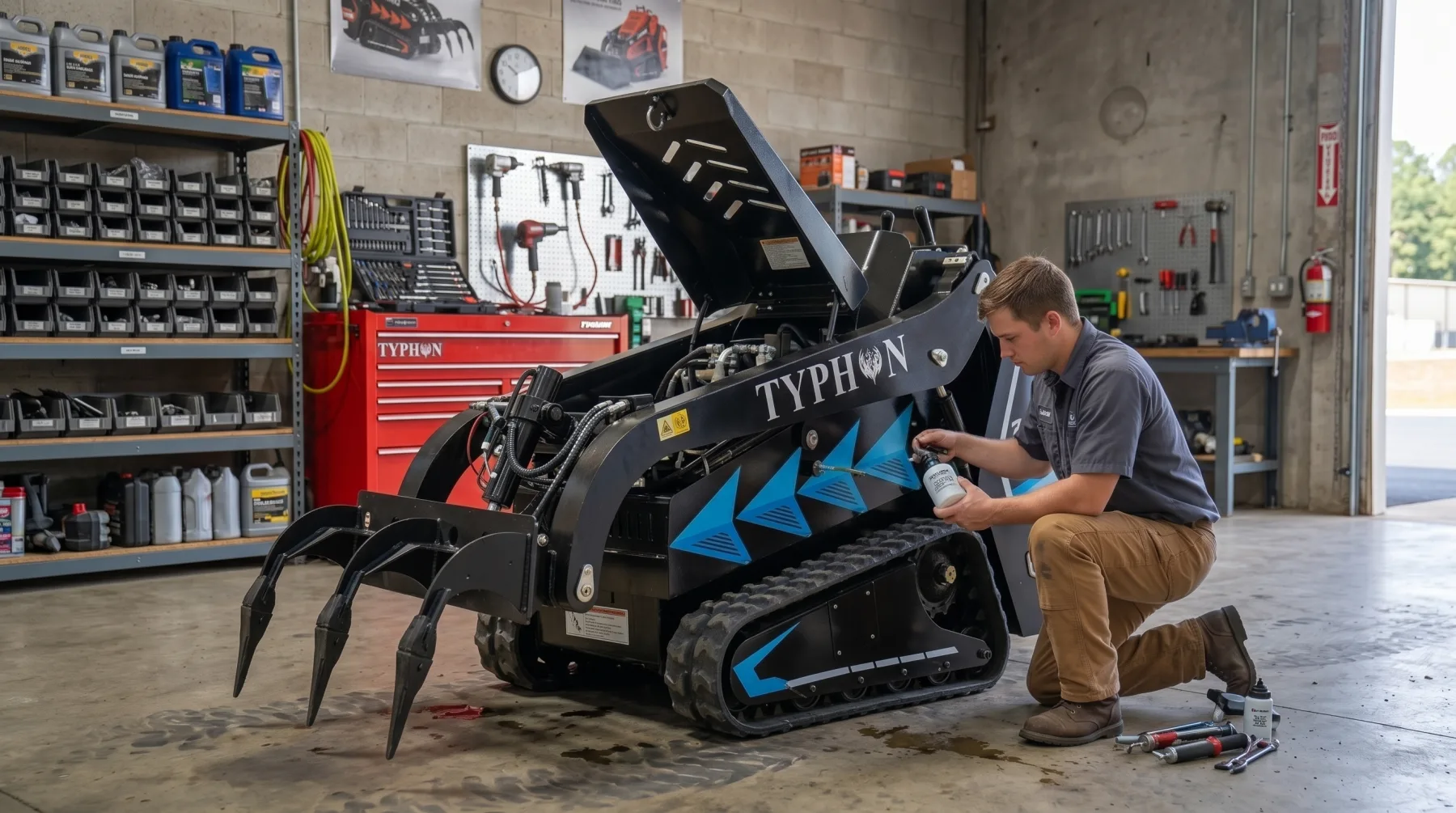
Heat is one of the most destructive forces working against your hydraulic system, and controlling it protects nearly every component. As oil flows under pressure, friction and resistance naturally generate heat, but excessive temperatures break down fluid, harden seals, and rob the system of the power you need. When oil overheats, it thins out and loses its ability to lubricate and transmit force efficiently, leading to accelerated wear and noticeable performance loss.
You can keep operating temperatures in the safe range by staying ahead of the common causes:
Clean the oil cooler and radiator fins regularly to maintain strong airflow through the cores
Avoid running attachments beyond their rated demand, which forces the system to work too hard
Check fluid levels often, since low oil overheats far faster than a full reservoir
Watch the temperature gauge and ease off when readings climb toward the limit
Managing heat is one of the simplest, highest-value habits you can build, and it pays you back with cooler operation, stronger performance, and components that last the way they were designed to.
Hydraulic Fluid Maintenance
Clean hydraulic fluid at the proper level is the foundation of an efficient, long-lasting system. The oil does far more than transmit power; it lubricates moving parts, carries away heat, and protects internal surfaces from wear and corrosion. When that fluid becomes contaminated with dirt, water, or metal particles, it grinds away at pumps, scores valve spools, and clogs the tight tolerances precision components rely on. Checking the fluid regularly tells you a great deal about system health, since clear, consistent oil signals a healthy system while a milky appearance warns of water intrusion and a dark, burnt smell points to overheating. Maintaining the correct level matters just as much, because low fluid invites air, accelerates heat build-up, and starves the pump. Always use the fluid type your manufacturer specifies, and change it on schedule rather than waiting for trouble. Treating your hydraulic oil as the critical component it is keeps the entire system efficient, responsive, and reliable.
Filter and Hose Inspections
Filters and hoses quietly protect your hydraulic system, and regular inspection keeps small issues from becoming expensive failures. The filter removes the contaminants that would otherwise circulate through the system and damage sensitive components, so a clogged or neglected filter lets dirty oil bypass protection and reach the parts you most want to safeguard. Replacing filters on schedule, and more often in dusty or demanding conditions, keeps fluid clean and flowing freely. Hoses face constant pressure, vibration, and movement, which gradually take their toll through chafing, swelling, and weakened spots that eventually leak or burst. A failed hose dumps fluid fast, halts your work, and creates a real safety and environmental hazard on site. During each inspection, look for wetness, cracks, bulges, and spots where lines rub against the frame, and replace any hose showing wear before it fails. Catching these problems early protects your system, your schedule, and your bottom line.
Operating Habits That Improve Efficiency
How you run your machine has as much impact on efficiency as any maintenance task. Smooth, deliberate control inputs place far less strain on the hydraulic system than harsh, jerky movements that spike pressure and generate unnecessary heat. Easing into loads, avoiding repeated hard stops, and letting the machine work at its designed pace all extend component life while keeping fuel consumption in check. Using the right attachment for each job matters too, since forcing an undersized tool through heavy work overloads the system and wastes energy. Warming the hydraulics in cold weather before demanding tasks protects seals and pumps from the stress of moving thick, cold oil. Avoid holding cylinders against their stops longer than necessary, because that builds heat and pressure without doing useful work. These habits cost nothing yet deliver real returns in efficiency, reliability, and lower operating expense. A thoughtful operator gets more from the same machine, day after day.
Conclusion
Strong hydraulic performance comes down to three connected factors working in harmony: power to deliver force, flow to control speed, and efficiency to protect both your machine and your budget. When you understand how the pump, pressure, cylinders, and motors create real working force, you make smarter choices about machines and attachments. When you read flow ratings and GPM correctly, you match the right tools to the right machine every time. And when you commit to clean fluid, sound filters and hoses, proper heat management, and smooth operating habits, you keep that system running strong for the long haul. Start by reviewing your machine’s pressure and flow specifications, then compare them against the attachments you rely on most. From there, build a simple maintenance routine and stick to it. Do these things consistently, and your skid steer will reward you with dependable power, faster cycles, and years of productive, trouble-free work.