
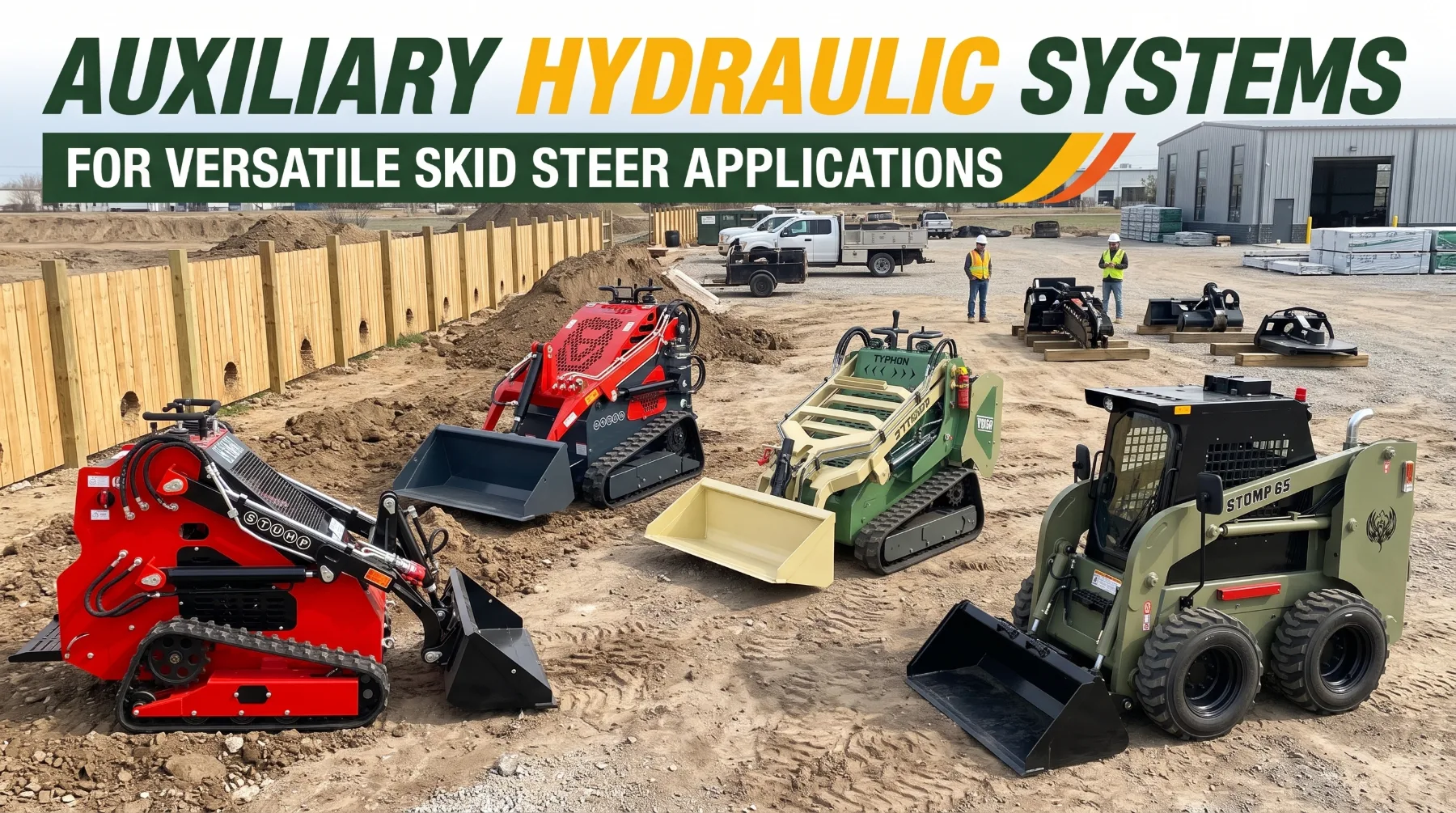
Auxiliary Hydraulic Systems for Versatile Skid Steer Loader Applications
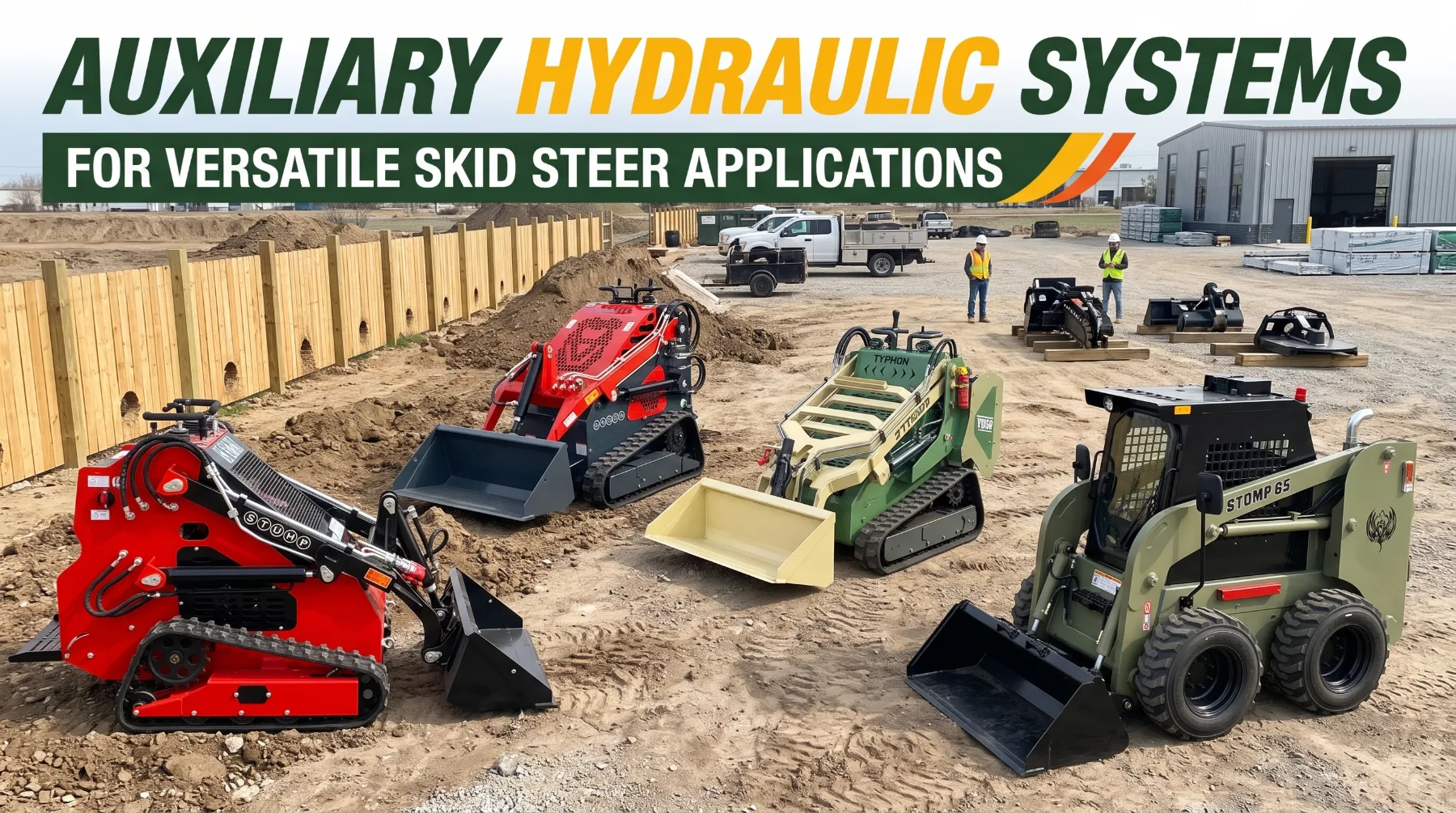
A landscaping contractor starts the morning drilling post holes for a new fence. By midday, the same skid steer is cutting a trench for irrigation line. In the afternoon, it clears an overgrown lot with a brush cutter. One machine handles three very different jobs because of the auxiliary hydraulic system that powers each attachment.
Auxiliary hydraulics turn a skid steer loader from a bucket machine into a multi-purpose tool carrier. Augers, trenchers, breakers, brush cutters, grapples, and many other attachments depend on hydraulic flow and pressure from the loader to run. When the loader and attachment are well matched, the tool performs at its rated speed and force. When they are mismatched, productivity drops, heat builds, and components wear early. Understanding how the auxiliary system works helps you choose the right loader, select compatible attachments, and keep your equipment working reliably.
Understand Auxiliary Hydraulic Functions
Every skid steer uses hydraulics to lift and tilt its loader arms. The auxiliary hydraulic circuit is a separate output that sends pressurized oil to an attachment. It typically runs from the loader's control valve to a pair of quick couplers near the front of the lift arms, where the attachment's hoses connect.
When the operator activates the auxiliary function, oil flows through one coupler to the attachment and returns through the other. That oil drives a hydraulic motor, a cylinder, or both, depending on the tool. A motor spins an auger bit or trencher chain. A cylinder opens and closes a grapple or angles a dozer blade. On a breaker, the oil drives an internal piston that strikes the tool bit repeatedly.
Operators control the auxiliary circuit through switches, buttons, or rollers on the joysticks. Many loaders offer a continuous-flow mode, which keeps oil flowing to the attachment without the operator holding a control. That is useful for tools that run steadily, such as augers, trenchers, and brush cutters. Some attachments also need an electrical connection for added functions, such as tilting, side-shifting, or adjusting a cutting head. Check that the loader's electrical connector and control system support the attachment you plan to run.
Key takeaway: The auxiliary circuit sends pressurized oil from the loader to the attachment and back, powering motors and cylinders. Confirm control and electrical compatibility for every attachment you plan to use.
Inspect Couplers and Hose Connections
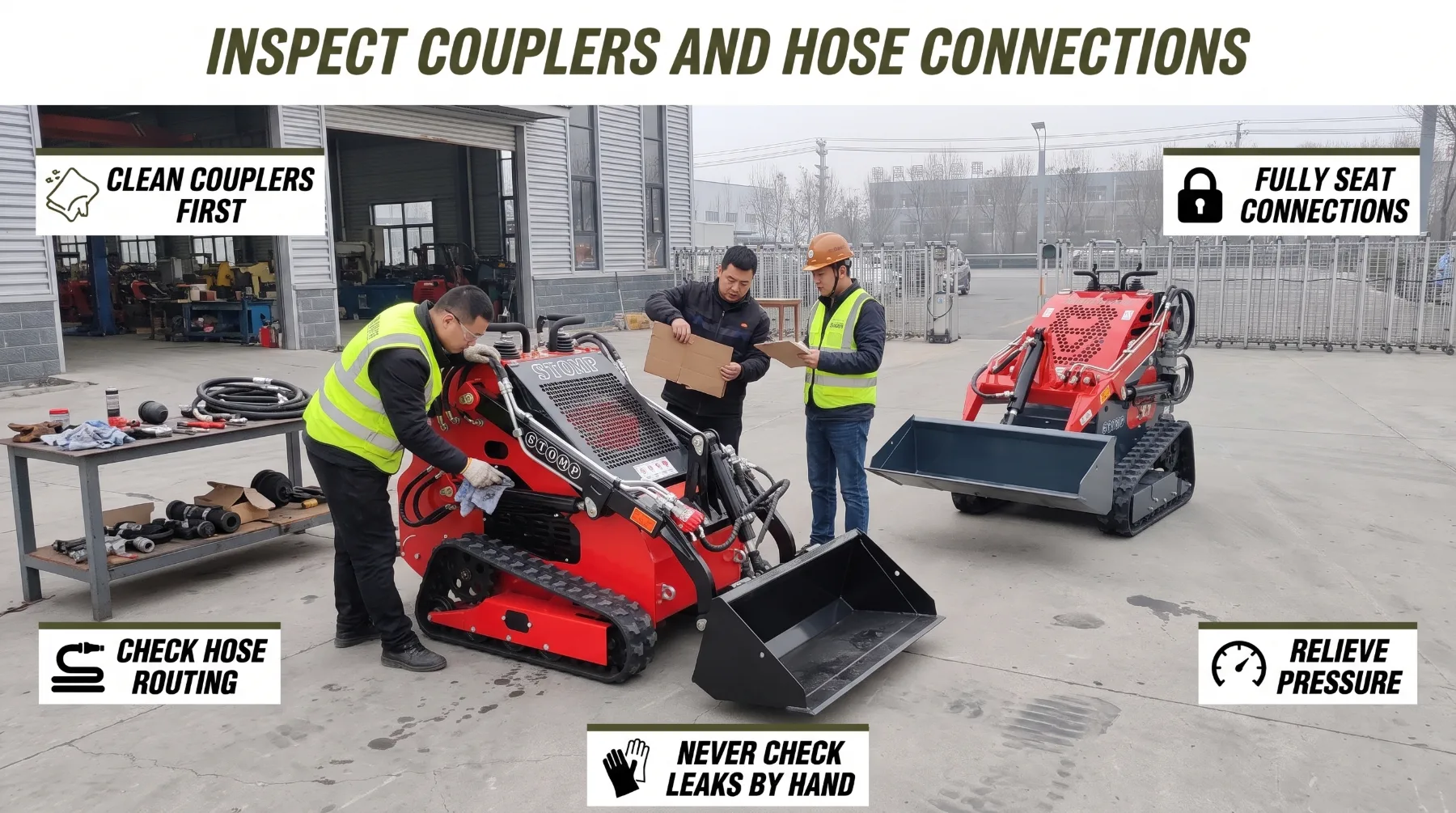
Couplers and hoses form the link between the loader and the attachment. They are connected and disconnected often, exposed to dirt and debris, and flexed every time the lift arms move. A small problem at this point can stop work or create a serious safety hazard.
Inspect hydraulic couplers before each connection. Make sure they are clean, undamaged, and the correct type and size for the attachment. Many modern loaders use flat-face couplers, which reduce spillage and keep dirt out of the system when they are wiped clean before connecting. Confirm each coupler is fully seated and locked. A partially engaged coupler can block flow, cause the attachment to stall, or allow oil to escape under pressure.
Check hoses for abrasion, cracks, bulges, kinks, and leaks at the fittings. Look at how hoses are routed through the full range of lift and tilt movement, since a hose that is pinched or stretched at full height will fail early. Use hose guards or sleeves where hoses rub against metal.
Relieve hydraulic pressure according to the operator's manual before connecting or disconnecting lines. Trapped pressure can make couplers difficult to connect and can cause oil to spray. Never use your hand to search for a leak, because pressurized fluid can penetrate skin and cause severe injury. Use cardboard or wood, and wear gloves and eye protection. Cap and plug disconnected couplers to keep contaminants out.
Key takeaway: Clean and fully seat couplers, inspect hoses through the full range of motion, relieve pressure before connecting, and never check for leaks by hand.
Compare Standard and High-Flow Systems
Skid steers generally come with a standard-flow auxiliary system, and many models offer high flow as an option. The difference is the volume of oil the system can deliver to the attachment. That volume decides which tools the loader can run efficiently.
Standard-flow systems commonly deliver somewhere in the range of about 17 to 25 gallons per minute, depending on machine size and model. That output handles many general-purpose attachments well, including augers, grapples, many trenchers, angle brooms, and most hydraulic breakers sized for skid steers. For contractors whose work centers on construction, landscaping, and property maintenance, standard flow often covers daily needs.
High-flow systems often deliver roughly 30 to 45 gallons per minute or more. They are built for attachments that need sustained power, such as forestry mulchers, heavy brush cutters, cold planers, stump grinders, and some large trenchers. High-flow loaders usually include larger hydraulic components and added cooling capacity to manage the extra heat. That added capability comes with a higher purchase price, so it pays to buy high flow only when your attachments actually require it.
Not every attachment needs or can use high flow. Sending too much oil to a tool designed for standard flow can overspeed motors, raise temperatures, and damage components. Review the attachments you run today and the ones you plan to add, then choose the system that matches them.
Key takeaway: Standard flow handles most general-purpose attachments, while high flow supports demanding tools such as mulchers and cold planers. Buy high flow when your attachment lineup requires it.
Check Flow Rate and Pressure
Flow and pressure are the two specifications that decide whether an attachment will run correctly on your loader. Flow, measured in gallons per minute, sets how fast motors spin and cylinders move. Pressure, measured in PSI, contributes to the force the attachment can produce. Skid steer auxiliary circuits commonly operate in the range of about 3,000 to 3,500 PSI, though ratings vary by model.
Both values must fall within the attachment manufacturer's operating range. Too little flow makes an auger turn slowly or a brush cutter lose blade speed. Too much flow can overspeed motors and generate excess heat. Pressure that's too low reduces cutting and drilling force, while pressure beyond the attachment's rating can stress seals, hoses, and motors.
A helpful way to compare systems is hydraulic horsepower, estimated by multiplying flow in GPM by pressure in PSI and dividing by 1,714. For example, 20 GPM at 3,000 PSI produces roughly 35 hydraulic horsepower in theory. Real output is lower because of heat and friction losses, but the calculation shows why both numbers matter together.
Some attachments also have return-line or case-drain requirements. A case drain gives internal leakage oil from a hydraulic motor a low-pressure path back to the tank. Without it, pressure can build inside the motor housing and damage seals. When you evaluate a loader, request its rated auxiliary flow and pressure in writing and compare them with each attachment's specification sheet.
Key takeaway: Match the loader's auxiliary flow and pressure to each attachment's rated range, and confirm any case-drain or return-line requirements before connecting.
Maintain the Auxiliary Circuit
Attachments place steady demands on the auxiliary circuit, often for hours at a time. Consistent maintenance keeps oil clean, temperatures in check, and components working as designed. Neglect usually shows up as slow attachments, leaks, overheating, and costly repairs.
Check the hydraulic fluid level daily, following the procedure in the operator's manual. Use only the fluid type the manufacturer specifies. Replace hydraulic filters on schedule, and shorten intervals when you run high-demand attachments or work in dusty conditions. Contaminated oil is one of the leading causes of hydraulic component wear, and dirty couplers are a common entry point. Wipe couplers clean before every connection and keep dust caps in place when they are not in use.
Keep the hydraulic cooler and radiator clean. Mulching, brush cutting, and demolition work produce debris that packs into cooler fins and reduces airflow quickly. Clean the cooling package daily on these jobs. Watch the hydraulic temperature gauge or warning lights, and stop work if the system runs hot.
Inspect hoses, fittings, couplers, and attachment motors regularly, and replace damaged hoses before operating. Damaged hoses should never be used temporarily. Report unusual noise, slow response, leaks, or rising temperatures, and have them diagnosed before continuing work. Keep a record of fluid changes, filter replacements, and repairs to support warranty coverage and track recurring problems.
Key takeaway: Check fluid daily, replace filters on schedule, keep couplers and coolers clean, and stop work whenever you see heat, leaks, or unusual noise.
Match Attachments to the Application
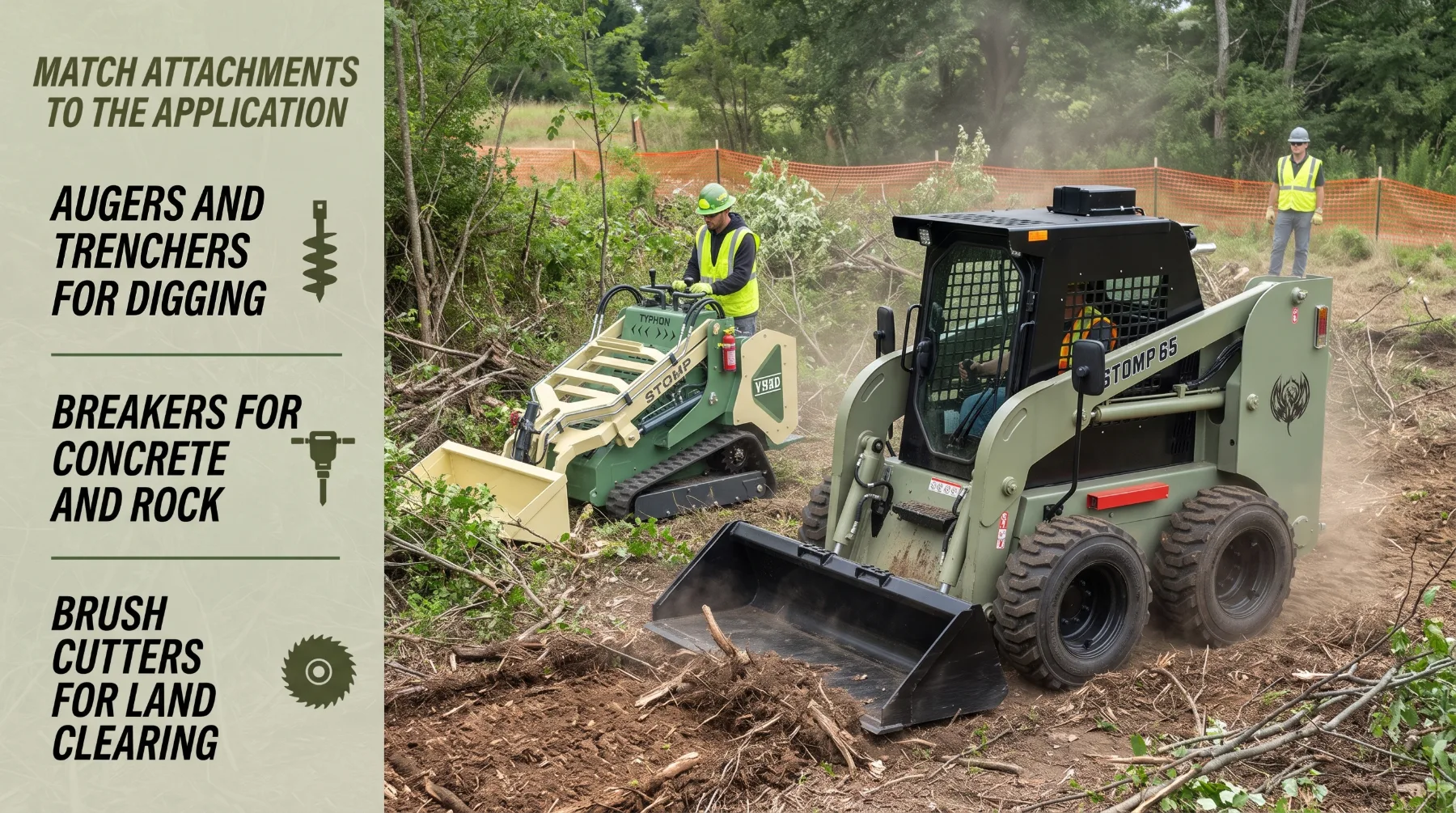
The right attachment depends on the material, the job, and what your loader can supply. Each tool type places different demands on the auxiliary circuit, and selecting carefully keeps both the tool and the machine performing as intended.
Augers drill holes for fence posts, deck footings, signs, and tree planting. Most skid steer augers run well on standard flow. Choose the drive unit based on the bit diameter and soil conditions, since larger bits and hard clay need more torque. High-torque drives suit tough ground, while faster drives work well in loose soil.
Trenchers cut narrow trenches for irrigation, electrical, communication, and small water lines. Smaller trenchers often run on standard flow, while heavy-duty and deeper models may need high flow. Match trench width and depth to the installation, and choose teeth suited to the soil. Always locate and mark existing utilities before digging.
Hydraulic breakers handle concrete, asphalt, and rock. Many skid steer breakers operate on standard flow, but each one has a specific flow and pressure range. Running outside that range can damage the breaker or reduce its striking power. Select a breaker sized for the loader's operating capacity, and establish a clear exclusion zone around flying debris.
Brush cutters and forestry mulchers clear vegetation, saplings, and overgrown lots. Light brush cutters may run on standard flow, while heavy-duty cutters and mulchers typically require high flow. Use a loader with proper guarding, such as a forestry door or protective screen where the manufacturer specifies one, and keep people well clear of the discharge area.
For every attachment, confirm mounting compatibility, weight against the loader's rated operating capacity, hydraulic requirements, and electrical connections before you buy.
Key takeaway: Choose attachments based on the material and task, then confirm that hydraulic flow, pressure, weight, and mounting all fall within your loader's ratings.
Conclusion
An effective auxiliary hydraulic system expands what a skid steer loader can do on every jobsite. It allows one machine to drill, trench, break, clear, and grapple, which reduces the need for separate equipment and keeps crews productive. Getting full value from that versatility depends on matching the loader's flow and pressure to each attachment, inspecting couplers and hoses carefully, and maintaining the circuit consistently.
Before you buy a loader or add a new attachment, list the tools your crews use most and compare their hydraulic requirements with the loader's rated auxiliary flow, pressure, and cooling capacity. Confirm coupler, electrical, and case-drain compatibility in writing. Then test the combination during a demonstration. That approach gives you a dependable setup that performs safely and efficiently, job after job.
Frequently Asked Questions
What are auxiliary hydraulics on a skid steer?
They are hydraulic circuits that supply pressurized oil to compatible attachments. The oil powers motors and cylinders on tools such as augers, trenchers, breakers, and grapples.
Does every attachment need high-flow hydraulics?
No. Many attachments, including most augers, grapples, and skid steer breakers, operate on standard-flow systems. High flow is typically needed for mulchers, heavy brush cutters, cold planers, and similar demanding tools.
Why should buyers check hydraulic pressure and flow?
The attachment needs compatible specifications to operate correctly and safely. A mismatch can reduce performance, create excess heat, and shorten component life.
Can damaged hydraulic hoses be used temporarily?
No. Damaged hoses should be replaced before operating the attachment. A failing hose can release high-pressure fluid and cause serious injury.